
For homeowners, few priorities matter more than finding reliable ways to keep your home safe. A secure home protects not only the structure itself but also the people, possessions, and memories inside it. While no home can be completely risk-free, a thoughtful approach to safety will significantly reduce common hazards. By combining awareness, maintenance, and smart upgrades, homeowners create an environment that feels secure and resilient year-round.
Why It Matters to Keep Your Home Safe
Home safety goes far beyond preventing break-ins. It includes reducing fire risks, preventing accidents, protecting against environmental hazards, and addressing maintenance issues that could escalate into emergencies. Taking proactive steps to keep your home safe helps avoid costly repairs, minimize disruptions, and provide peace of mind, knowing potential risks are being managed before they escalate.
Keep Your Home Safe With Strong Entry Point Security
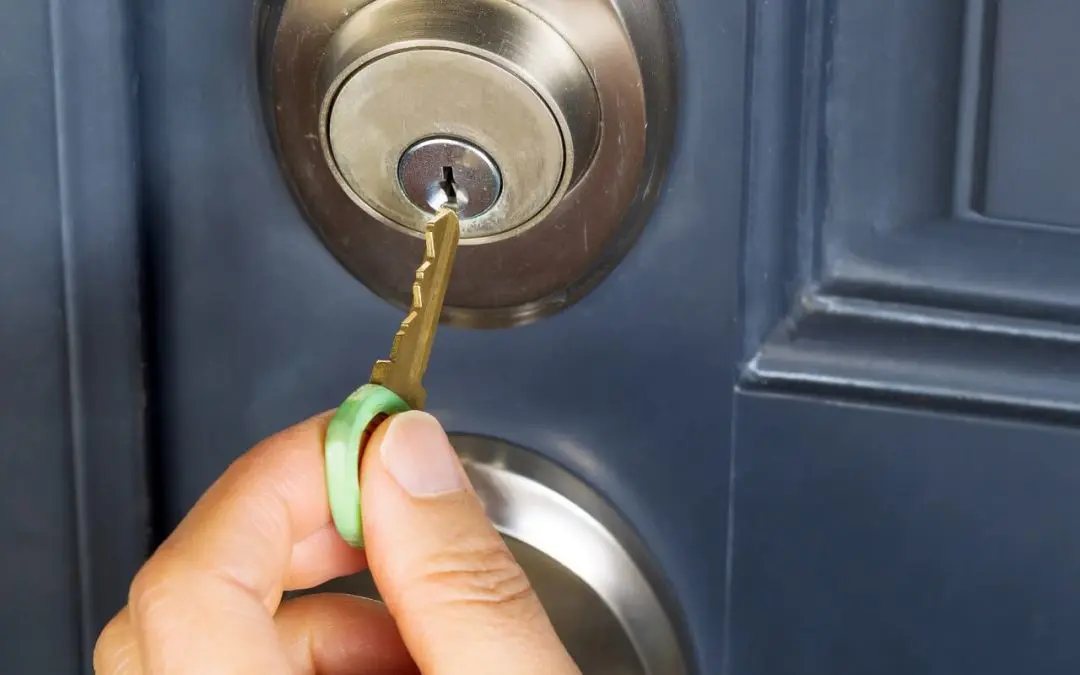
Doors and windows are the most common access points for both intruders and unwanted drafts or moisture. Solid exterior doors, quality locks, and properly secured windows form the first line of defense. Deadbolts, reinforced door frames, and motion-activated exterior lighting add additional layers of protection. Making sure doors and windows close and latch properly is a simple but often overlooked way to keep your home safe.
Fire Prevention and Detection Inside the Home
Fire safety is a critical component of overall home protection. Working smoke alarms on every level of the home and near sleeping areas provide early warning when seconds matter most. Carbon monoxide detectors are equally important, especially in homes with fuel-burning appliances or attached garages. Keeping heating systems maintained, chimneys clean, and flammable materials stored safely reduces the risk of fire-related emergencies.
Keep Your Home Safe From Water Damage
Water damage is one of the most common and costly issues homeowners face. Leaking pipes, faulty appliances, and poor drainage will cause extensive damage if not addressed promptly. Regularly inspecting plumbing connections, maintaining gutters and downspouts, and ensuring water flows away from the foundation helps keep your home safe from moisture-related problems. Early detection of leaks will help prevent structural damage and mold growth.
Lighting and Visibility for Safety and Security
Good lighting plays a powerful role in home safety. Well-lit entryways, walkways, and driveways reduce the risk of trips and falls while also discouraging unwanted activity. Inside the home, adequate lighting in stairways, hallways, and work areas improves visibility and reduces accidents. Thoughtful lighting design supports both security and everyday safety.
Keeping Systems and Appliances in Safe Working Order
Mechanical systems and household appliances require regular attention to operate safely. Annual inspections of heating and cooling systems help identify potential hazards such as gas leaks, electrical issues, or worn components. Electrical panels, outlets, and cords should be in good condition and not overloaded. Maintaining these systems helps keep your home safe while also improving efficiency and reliability.
Everyday Habits That Help Keep Your Home Safe
Daily routines have a big impact on home safety. Locking doors and windows, even when at home, adds an extra layer of protection. Avoiding clutter in walkways and staircases reduces trip hazards. Storing cleaning products, tools, and medications securely helps protect children and pets. These small habits reinforce a culture of safety within the home.
Taking steps to keep your home safe does not require drastic changes or constant worry. With consistent maintenance, thoughtful upgrades, and mindful daily habits, homeowners will create a secure environment that supports comfort, protection, and long-term peace of mind.
Frequently Asked Questions (FAQs)
How often should safety devices be checked?
Smoke alarms, carbon monoxide detectors, and security systems should be tested monthly. Batteries should be replaced as needed, and devices should be replaced according to manufacturer recommendations.
Is a security system necessary for every home?
While not mandatory, security systems will significantly enhance protection and peace of mind. Even basic systems with alarms and cameras will help deter intruders and alert homeowners to potential issues.
What are common safety issues homeowners overlook?
Homeowners often overlook minor leaks, loose handrails, blocked exits, and outdated smoke alarms. These minor issues could become serious if left unaddressed.
How can homeowners reduce accident risks indoors?
Keeping floors dry, guaranteeing proper lighting, securing rugs, and maintaining stairs and railings are effective ways to reduce indoor accident risks.
When should a professional inspection be considered?
Professional inspections are helpful during home purchases, renovations, or when systems show signs of age or malfunction. Inspections will help identify hidden concerns and provide guidance on improvements.
Buyer’s Edge offers home inspections to customers in Western North Carolina. Contact us to request our services.