Buying or owning a home comes with plenty of responsibilities, but one often overlooked issue is indoor air quality, specifically radon. Radon testing is a crucial step in ensuring your home is safe, yet many homeowners aren’t fully aware of its importance. This invisible, odorless gas poses serious health risks, making professional radon testing not just a recommendation, but a necessity.
What Is Radon and Why Should You Care?
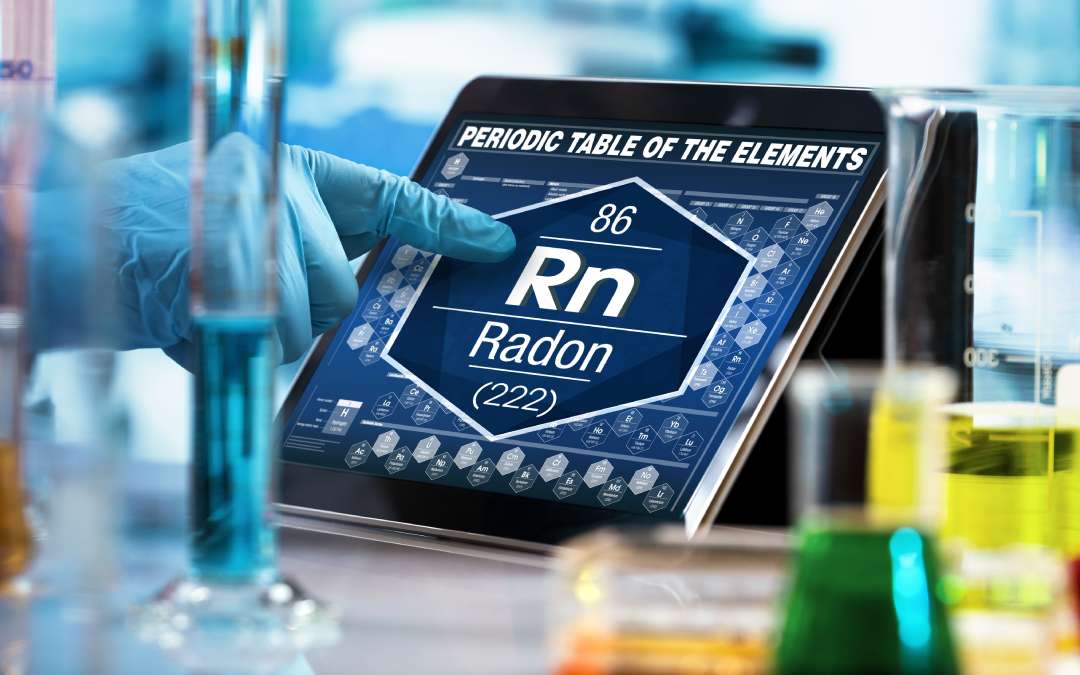
Radon is a naturally occurring radioactive gas that forms when uranium breaks down in soil and rock. It can seep into homes through cracks in foundations, crawl spaces, and even well water. Because it’s invisible and odorless, the only way to detect it is through testing. Long-term exposure to elevated radon levels is the second leading cause of lung cancer worldwide. That alone makes it clear why homeowners and buyers should take radon seriously. Whether you’re settling into a new home or have lived in your current one for years, understanding your radon levels is essential for peace of mind.
Why Professional Radon Testing Is More Reliable
While DIY radon testing kits are available, professional radon testing offers a higher level of accuracy and reliability. Certified professionals use advanced equipment and follow strict protocols to ensure precise readings. Short-term tests provide quick insights, while long-term tests offer a more comprehensive picture of your home’s average radon levels over time. This dual approach helps eliminate guesswork and ensures that decisions about mitigation are based on solid data. Another advantage is proper placement of testing devices. Professionals know exactly where to position equipment to avoid false readings caused by drafts, humidity, or other environmental factors.
When Should You Schedule Radon Testing?
Radon testing should be part of every homebuyer’s inspection process. Before finalizing a purchase, knowing the radon levels could influence negotiations or prompt mitigation before moving in. For current homeowners, radon testing is recommended every two to five years, or sooner if you’ve made structural changes like finishing a basement or installing new ventilation systems. Seasonal changes could also affect radon levels, so periodic testing ensures continued safety. Even if your neighbor’s home tested low for radon, your home could still have elevated levels. Radon distribution could vary significantly from one property to the next.
Understanding Radon Mitigation Systems
If elevated radon levels are detected, the next step is mitigation. Professional radon mitigation systems are designed to reduce radon concentrations to safe levels, often below the recommended threshold of 4 picocuries per liter (pCi/L). The most common method is sub-slab depressurization, which involves installing a vent pipe system and fan to pull radon from beneath the home and release it safely outside. These systems are highly effective and can reduce radon levels by up to 99 percent. Professional installation ensures the system is tailored to your home’s structure and soil conditions. It also ensures compliance with safety standards and local regulations.
Costs and Long-Term Value
The cost of professional testing is relatively modest compared to the potential health risks of ignoring the issue. Mitigation systems require a larger investment, but they add value to your home and could be a strong selling point for future buyers. More importantly, the long-term benefits far outweigh the upfront costs. Improved indoor air quality, reduced health risks, and increased buyer confidence make radon testing and mitigation a smart financial and personal decision.
Choosing the Right Radon Professional
Not all radon professionals are created equal. Look for certified and licensed experts with experience in both radon testing and mitigation. Ask about their testing methods, equipment, and whether they provide follow-up testing after mitigation is complete. A trustworthy professional will walk you through the entire process, explain results clearly, and recommend solutions tailored to your home. Transparency and expertise are key indicators of quality service.
Final Thoughts on Radon Testing and Home Safety
Radon may be invisible, but its impact is very real. Taking proactive steps through professional radon testing and mitigation ensures your home remains a safe and healthy environment. For homebuyers, it’s a critical part of due diligence. For homeowners, it’s an ongoing responsibility. Either way, investing in radon testing is a decision that protects both your property and your well-being.
Frequently Asked Questions (FAQs)
What is a safe level of radon in a home?
The recommended action level is 4 pCi/L. However, even lower levels can pose some risk, so many homeowners choose mitigation at levels between 2 and 4 pCi/L.
How long does radon testing take?
Short-term radon testing usually takes 2 to 7 days, while long-term testing can last 90 days or more for more accurate results.
Can radon levels change over time?
Yes, radon levels may fluctuate due to weather, seasonal changes, and home modifications. That’s why regular radon testing is important.
Does every home need radon mitigation?
Not every home requires mitigation. Only homes with elevated radon levels above recommended thresholds need a mitigation system installed.
Is radon testing necessary for new homes?
Yes, even new homes may have high radon levels. Construction techniques and materials do not guarantee protection from radon intrusion.
How effective are mitigation systems?
Professionally installed systems can reduce radon levels by up to 99 percent, making them highly effective at improving indoor air quality.
Buyer’s Edge offers radon testing and home inspection services to customers in Western North Carolina. Contact us to request our services.