
As the first frost clings to the windowpane and the air turns crisp, most homeowners feel a familiar sense of dread. It isn’t just the prospect of shoveling snow or scraping ice off the windshield; it’s the inevitable spike in the utility bill. When the temperature drops, our homes work overtime to keep us comfortable, often leading to a significant drain on both natural resources and your bank account. However, keeping your house warm doesn’t have to mean breaking the bank. Save energy this winter by making a few strategic adjustments to your daily habits and your home’s infrastructure.
Seal the Hidden Gaps to Save Energy
One of the most common reasons homes lose heat is through tiny, invisible leaks. You might think of your walls as solid barriers, but houses are often full of small gaps around windows, doors, and electrical outlets. These gaps act like a vacuum, pulling in cold air and pushing out expensive heated air. A great way to save energy is to perform a simple “candle test.” On a breezy day, hold a lit candle near window frames and door seams. If the flame flickers, you’ve found a leak. Applying fresh caulk or weatherstripping is a low-cost, high-impact DIY project that pays for itself almost immediately. Don’t forget to check the “sweep” at the bottom of your exterior doors, as a significant amount of cold air can seep in right under your nose.
Optimize Your Thermostat Strategy
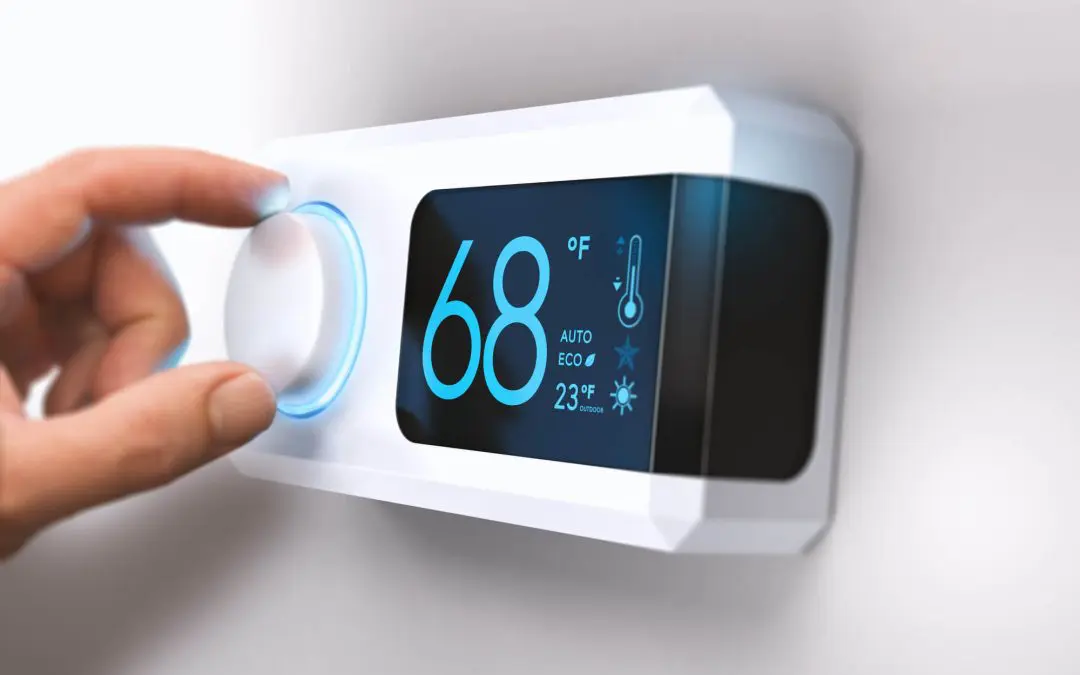
Many people believe that maintaining a constant, high temperature is the most efficient way to run a furnace, but the math tells a different story. To conserve energy, consider adopting the “setback” method. By turning your thermostat down by seven to ten degrees for eight hours a day, typically while you are sleeping or away at work, you could save up to ten percent a year on heating costs. If you haven’t upgraded to a programmable or smart thermostat yet, this is the season to do it. These devices allow you to automate your temperature schedule, ensuring the house is warm when you wake up but energy-conscious when you’re under the covers or out running errands.
Harness the Power of Passive Heating
During the day, keep your south-facing curtains and blinds wide open to allow sunlight to pour in and naturally warm your living spaces. This “greenhouse effect” will raise the temperature of a room by several degrees without the furnace ever kicking on. Once the sun sets, be sure to close those same curtains tightly. Heavy or thermal-lined drapes act as an extra layer of insulation, trapping the accumulated warmth inside and providing a thermal barrier against the cold glass of the window panes.
Save Energy by Maintaining Your Equipment
A dirty heating system is an expensive heating system. When your furnace filters are clogged with dust and pet dander, the motor has to work significantly harder to push air through the vents, which consumes more electricity and fuel. Checking your filters monthly and replacing them at least every ninety days is perhaps the simplest way to save energy during a long winter. Additionally, ensure that your vents and radiators are not blocked by furniture or long curtains. If a sofa is sitting directly over a floor vent, you are essentially paying to heat the underside of your furniture rather than the air in the room.
Save Energy with Small Lifestyle Shifts
Finally, remember that personal comfort can be achieved through means other than the thermostat. Reversing the direction of your ceiling fans to run clockwise at a low speed will push the warm air that collects at the ceiling back down into the living space. Dressing in layers, using heated blankets for localized warmth, and even baking a meal in the oven will contribute to a warmer home environment. Every degree you can lower your thermostat represents a tangible reduction in your monthly expenses, allowing you to enjoy the winter season with peace of mind.
Frequently Asked Questions
What is the best temperature to set my thermostat in the winter?
Most experts suggest setting your thermostat to 68 degrees Fahrenheit while you are awake and active at home. When you are asleep or away, aiming for 60 to 62 degrees will help you maximize your savings.
Does turning the heat off completely when I leave save energy?
It is usually better to turn the heat down rather than off entirely. If the house becomes too cold, your furnace will have to run for an extended period to bring the temperature back up to a comfortable level, which will negate the savings.
Will LED holiday lights make a difference in my bill?
Yes, switching to LED holiday lights is a fantastic way to reduce seasonal electricity spikes. LEDs use about seventy-five percent less energy than traditional incandescent bulbs and last much longer.
Buyer’s Edge offers home inspections to customers in Western North Carolina. Contact us to request our services.