
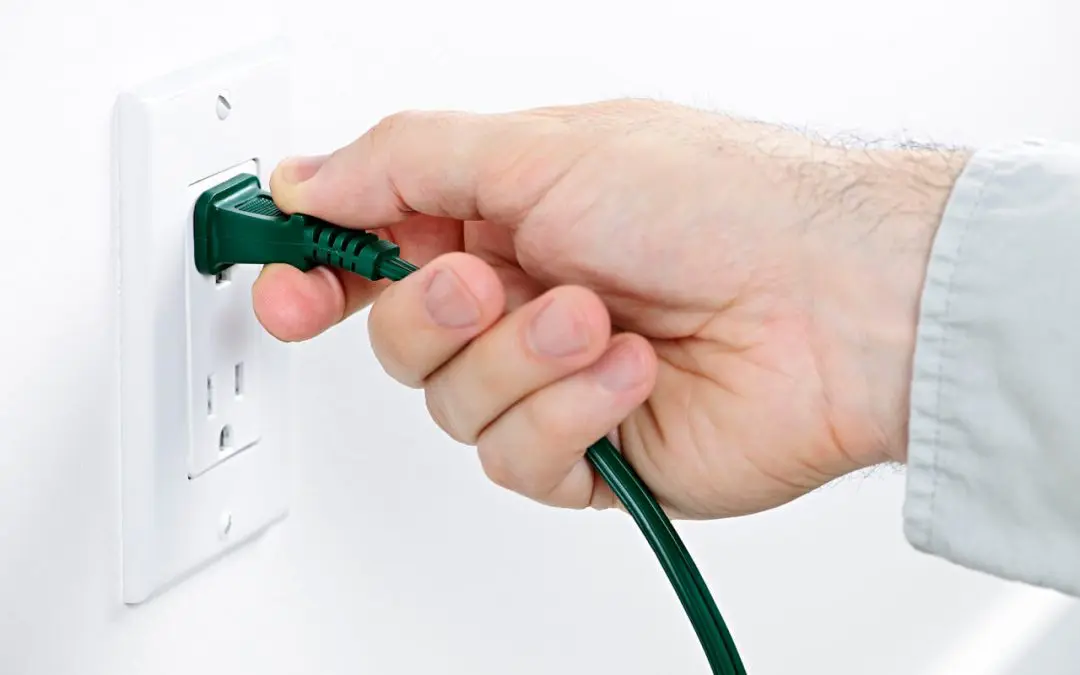
Electricity powers everything in your home, and most of the time, it does so quietly and reliably without requiring any thought at all. But electrical systems that aren’t properly maintained, installed, or used can pose serious risks that every homeowner should understand. Electrical fires, shocks, and equipment damage are all preventable with the right knowledge and habits in place. Electrical safety is being informed enough to recognize warning signs, use systems correctly, and know when to call a professional before a small issue becomes a dangerous one.
The Foundation of Good Electrical Safety
Most residential electrical hazards develop gradually from everyday habits and overlooked maintenance. Overloaded outlets, damaged cords, outdated wiring, and ignored warning signs are the most common contributors to residential electrical fires and accidents. The good news is that most of these risks are entirely preventable with consistent attention to a handful of straightforward practices. Understanding your home’s electrical system, where the panel is located, how to reset a tripped breaker, and what your home’s wiring age and condition might mean for safety is the starting point for every other electrical safety habit that follows.
Recognize the Warning Signs That Demand Attention
Your home’s electrical system communicates when something is wrong, and knowing how to read those signals is one of the most valuable electrical safety skills a homeowner can have. Frequently tripping breakers, flickering or dimming lights, outlets or switches that feel warm to the touch, a persistent burning smell near electrical components, and sparking when plugging in appliances are all warning signs that something needs professional attention. Buzzing or crackling sounds from outlets or the electrical panel are particularly serious indicators that should never be ignored or dismissed as minor quirks. If your home still has aluminum wiring, knob-and-tube wiring, or an outdated fuse box rather than a modern breaker panel, a professional evaluation is a worthwhile investment in both safety and peace of mind.
Electrical Safety Practices for Everyday Use
The most effective electrical safety measures are the ones built into daily habits rather than reserved for emergencies. Never overload outlets by daisy-chaining power strips or plugging too many high-draw appliances into a single circuit; this is one of the most common causes of electrical fires in residential homes. Replace any cords that are frayed, cracked, or have exposed wiring immediately, rather than wrapping them in tape as a temporary fix. Keep electrical devices away from water sources in bathrooms and kitchens, and ensure that all outlets near water are protected by ground fault circuit interrupter outlets, which cut power instantly when a dangerous current is detected.
Protect Your Home and Family With Electrical Safety Upgrades
Older homes in particular benefit from targeted electrical safety upgrades that bring systems up to current standards and significantly reduce risk. Installing arc-fault circuit interrupter breakers provides a level of fire protection that older panels simply don’t offer. Replacing two-prong ungrounded outlets with properly grounded three-prong outlets eliminates the shock and surge risk that ungrounded systems create. Tamper-resistant outlets in any home with young children prevent the dangerous insertion of objects into outlet slots. These upgrades are among the most impactful investments a homeowner can make in the long-term safety of the property.
When to Call a Professional for Electrical Concerns
Knowing the boundary between what a homeowner can safely manage and what requires a licensed electrician is itself an important electrical safety principle. Replacing a light fixture, swapping a standard outlet for a GFCI model, or resetting a tripped breaker are all reasonable DIY tasks for a careful homeowner. Panel work, new circuit installation, wiring repairs, and anything involving the main service entrance are firmly in licensed electrician territory, because the consequences of mistakes in these areas are severe and potentially life-threatening. When in doubt, always err on the side of calling a professional rather than attempting electrical work that falls outside your knowledge and experience.
Frequently Asked Questions (FAQs)
What are the most common electrical safety hazards in a home?
Overloaded outlets and power strips, damaged or frayed cords, outdated wiring and panels, missing or non-functional GFCI protection near water sources, and the absence of arc fault protection are the most common residential electrical hazards.
How do I know if my home’s wiring is safe?
The age and condition of your home’s wiring is a good starting point; homes built before the 1970s may have aluminum or knob-and-tube wiring that doesn’t meet current safety standards. Frequent breaker trips, warm outlets, flickering lights, and a fuse box rather than a modern breaker panel are all indicators that a professional electrical inspection is overdue.
What is a GFCI outlet, and why does it matter for electrical safety?
A ground fault circuit interrupter outlet detects dangerous current leakage and cuts power within milliseconds, fast enough to prevent serious shock in situations where electricity and water come into contact. GFCI outlets are required by current building codes in kitchens, bathrooms, garages, outdoor areas, and anywhere else where moisture is present.
How often should a home’s electrical system be inspected?
Most electrical professionals recommend a full inspection every three to five years for homes with modern systems, and more frequently for older homes or those that have undergone significant renovation work.
Is it safe to do electrical work myself?
Simple tasks like replacing a light switch, installing a ceiling fan on an existing circuit, or swapping an outlet for a GFCI model are manageable for careful, informed homeowners who turn off the circuit at the breaker first and follow instructions carefully. Any work involving the main panel, new circuit installation, service upgrades, or wiring repairs should always be handled by a licensed electrician.
Buyer’s Edge offers home inspections to customers in Western North Carolina. Contact us to request our services.