Water management is one of the most overlooked aspects of homeownership, yet it plays a critical role in protecting both the structure and the surrounding landscape. Poor water flow could lead to foundation damage, soil erosion, basement flooding, and even mold growth. That’s why taking steps to improve drainage is essential for maintaining a safe and long-lasting home. With the right approach, homeowners can prevent costly repairs and create a more functional outdoor environment.
Why It’s Important to Improve Drainage Around Your Home
When water is not directed away from a property properly, it can accumulate in unwanted areas and cause a range of problems. Standing water near the foundation is particularly concerning, as it could seep into basements or crawl spaces and weaken structural components over time. To improve drainage effectively, it’s important to understand how water moves across your property. Factors such as soil type, slope, and landscaping all influence drainage patterns. By addressing these elements, homeowners reduce the risk of water-related damage and maintain the integrity of their home.
Common Signs of Drainage Problems
Recognizing early warning signs helps homeowners take action before issues become severe. Water pooling in the yard, soggy soil, and persistent damp spots are clear indicators of poor drainage. Inside the home, signs such as musty odors, water stains, or cracks in the foundation may suggest that water is not being properly diverted. Ignoring these signs may lead to more serious concerns over time. Addressing them early is one of the most effective ways to improve drainage and protect your investment.
Improve Drainage with Proper Grading
One of the most effective ways to improve drainage is by ensuring that the ground slopes away from the home’s foundation. Proper grading helps direct water away from the structure, reducing the risk of pooling and infiltration. Even a slight slope could make a significant difference. In some cases, regrading may be necessary to correct existing issues. This process involves reshaping the land to create a natural path for water to flow away from the home.
Gutter Systems and Downspouts
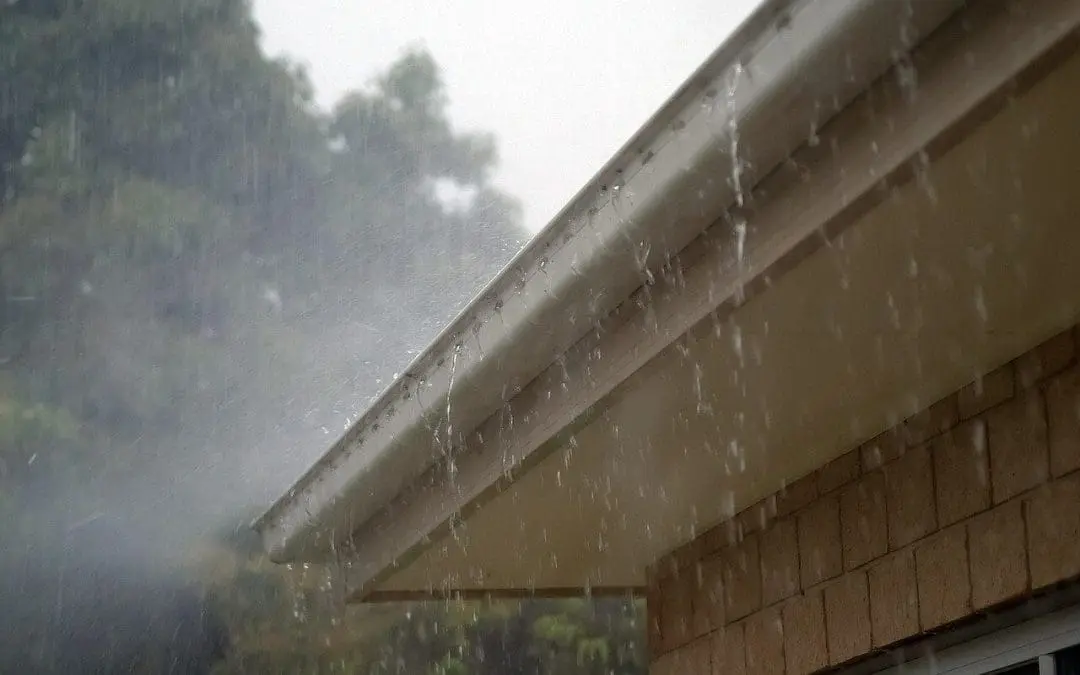
Gutters and downspouts play a crucial role in managing rainwater. When functioning properly, they collect water from the roof and direct it away from the foundation. However, clogged or damaged gutters could cause water to overflow and accumulate near the home. Regular cleaning and maintenance are essential to ensure these systems work effectively. Extending downspouts further away from the house is another simple yet effective way to improve drainage and prevent water buildup.
Improve Drainage Using French Drains
French drains are a popular solution for properties with persistent drainage issues. These systems consist of a trench filled with gravel and a perforated pipe that redirects water away from problem areas. Installing a French drain can be especially beneficial for yards that experience frequent pooling. By providing a controlled path for water to flow, this method helps improve drainage and reduce the risk of water damage.
Landscaping Solutions That Help
Landscaping significantly influences how water moves across a property. Strategic planting, the use of mulch, and the placement of hardscaping elements all contribute to better drainage. For example, rain gardens are designed to absorb excess water and prevent runoff. Similarly, using permeable materials for walkways and driveways allows water to seep into the ground rather than collect on the surface. These approaches not only improve drainage but also enhance the overall appearance of the property.
Preventing Basement and Foundation Issues
Basement flooding and foundation damage are among the most serious consequences of poor drainage. Water that accumulates around the foundation can seep into cracks and weaken the structure over time. Sealing foundation walls, installing sump pumps, and ensuring proper exterior drainage are key steps in preventing these issues. Taking proactive measures to improve drainage saves homeowners from costly repairs and long-term damage.
Improve Drainage with Regular Maintenance
Maintaining drainage systems is just as important as installing them. Leaves, debris, and sediment accumulate over time, reducing the effectiveness of gutters, drains, and other components. Regular inspections and cleaning will help ensure that everything continues to function properly. Staying consistent with maintenance is one of the simplest ways to improve drainage and avoid unexpected problems.
Taking steps to improve drainage on your property is an essential part of responsible homeownership. From proper grading and gutter maintenance to advanced solutions like French drains, there are many ways to manage water effectively. By addressing drainage issues early and maintaining systems regularly, homeowners can protect their foundation, preserve their landscape, and avoid costly repairs. A well-drained property not only functions better but also contributes to a safer and more comfortable living environment.
Frequently Asked Questions (FAQs)
Why is it important to improve drainage around a home?
Improving drainage helps prevent water from accumulating near the foundation, reducing the risk of structural damage, basement flooding, and mold growth.
What are the most common signs of poor drainage?
Common signs include standing water, soggy soil, water stains in the basement, and cracks in the foundation.
Can landscaping really help improve drainage?
Yes, strategic landscaping elements like rain gardens and permeable surfaces can help absorb and redirect water, improving overall drainage.
How often should drainage systems be maintained?
Drainage systems should be inspected regularly, especially after heavy rainfall or seasonal changes, to ensure they remain clear and functional.
When should I consider professional help?
If drainage issues persist despite basic solutions, or if there is visible foundation damage, it’s best to consult a professional for a thorough assessment.
Buyer’s Edge offers home inspections to customers in Western North Carolina. Contact us to request our services.